The Cell of the Molecular Biology of Chemical Allergy
DOI:
https://doi.org/10.64474/3139-1559.Vol2.Issue1.2Keywords:
Haptens, Sensitization, Cytokines, Immunogenicity, HypersensitivityAbstract
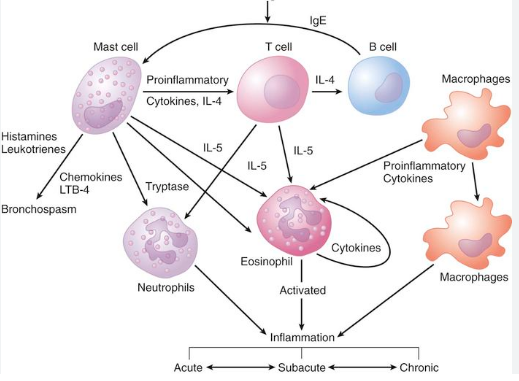
Chemical allergy involves immune-mediated hypersensitivity reactions to low molecular weight chemicals (typically <1 kD) that act as haptens. To initiate an immune response, these chemicals must bind to carrier macromolecules, such as proteins, to form stable hapten-protein conjugates. This article reviews the molecular basis of chemical allergenicity, highlighting that chemical binding is an essential feature of these allergens. In vivo reactions with thiols can lead to glutathione deficiency, altering the cellular reduction-oxidation (redox) status and triggering the release of specific cytokines. These molecular changes promote a polarized immune response, often shifting toward a T helper cell 2 (Th2) phenotype, which is characteristic of respiratory sensitization. Understanding these mechanisms allows for the development of structure-activity relationship models to predict the allergenic potential of chemicals and improve medical surveillance in occupational settings.